Pigment · fibre · hairpiece — the cosmetic route
It is a tattoo. Everything else follows from that.
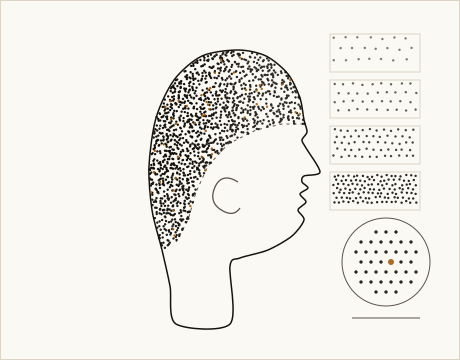
Scalp micropigmentation puts thousands of separate dots of pigment into the top of your scalp so that baldness reads as stubble. It is cosmetic, it is a tattoo, and it is far easier to put in than to take out. This site reads the pigment route — and the hair systems, fibres and concealers next to it — against what has actually been published, and prints no number that nobody has published.
What this site is for
It is for the decision you make once. Scalp micropigmentation, hair systems and keratin fibres all change how a thinning head looks, and none of them changes what is happening to the hair. That distinction gets blurred everywhere else, usually by whoever is selling, so it is the first thing said on every page here.
The order of difficulty matters too. Fibres wash out tonight. A hair system comes off when you take it off. Pigment stays in the dermis, and the US Food and Drug Administration's own guidance on removing tattoos calls the process painstaking, expensive and sometimes incomplete. Cheapest to undo is not the same as cheapest to buy, and the two run in opposite directions.
The rule about numbers
Where a figure is published and checkable, it appears with its source and the day it was read. Where it is not, nothing appears. That is why you will find Toppik's shop prices here to the cent and no price at all for scalp micropigmentation: fibre bottles have a price list, studios do not, and inventing a range would read as a citation.
The same rule kills most of the confident claims in this corner of the internet. There is no published fading rate for SMP. There is no published touch-up interval. There is no trial comparing pigment to a hair system. What exists is a handful of small case series, a regulator's list of what tattoos do to skin, and three countries with three different answers about who may legally hold the needle — and that is what you get here.
Nobody here is selling you a procedure
No studio, artist, clinic or surgeon is named, ranked, reviewed or linked on this site, and none ever will be. Two companies with public affiliate programmes are linked, both marked, both explained on the affiliate disclosure. The single most useful thing on this page costs nothing and pays nothing: see a doctor or a board-certified dermatologist about why the hair is going before you spend anything on how it looks.
Notes from the plate
Every note →
SMP Aftercare: What the Sources Say, and Who to Ask
Your artist's written instructions are the authority, not a website. What the regulator and the published literature do say about freshly tattooed skin, sun, infection and when something has gone wrong.
What HairClub's Free Consultation Actually Involves
A measurement, a report and a sales conversation — plus a sentence on HairClub's own page that tells you what the appointment is not. What to bring and what to get in writing.
Hair Fibres and Concealers: What They Do, and Where They Fail
Charged keratin powder clings to the hair you still have and darkens the scalp behind it. Cheap, reversible, published prices — and completely useless on skin with nothing left to hold onto.
Hair Systems Explained: Bases, Bonds and What They Cost You
A hair system is an object you attach to your head, not a treatment. How the bases differ, what the adhesives do to some people's skin, and the maintenance nobody mentions at the fitting.